The Gear I Bought Chasing 'Real Writer' Status (and What Actually Worked)
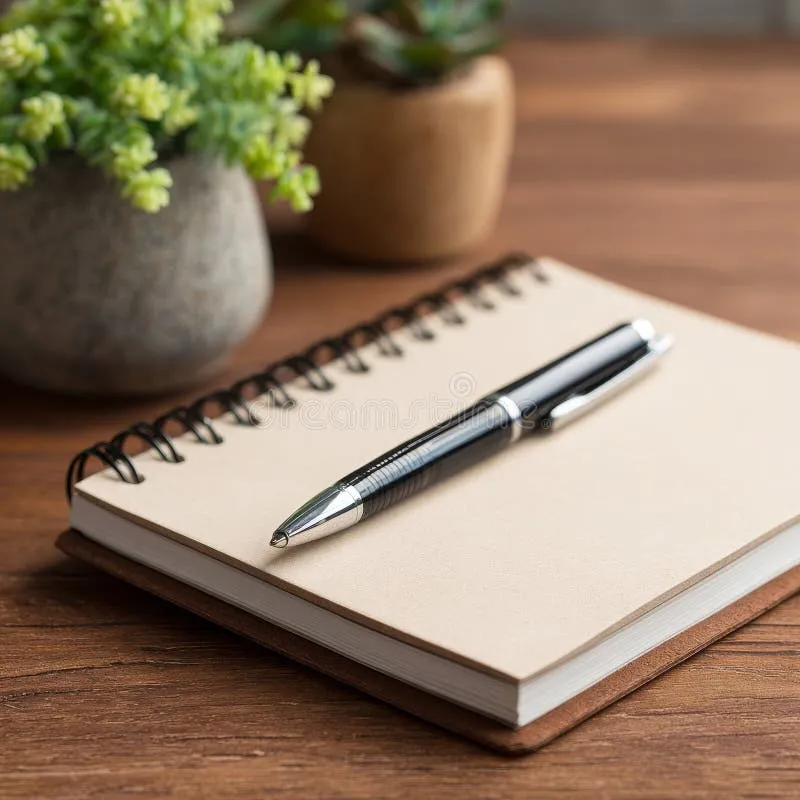
Photo: empty fancy notebook and pen on wooden desk, via thumbs.dreamstime.com
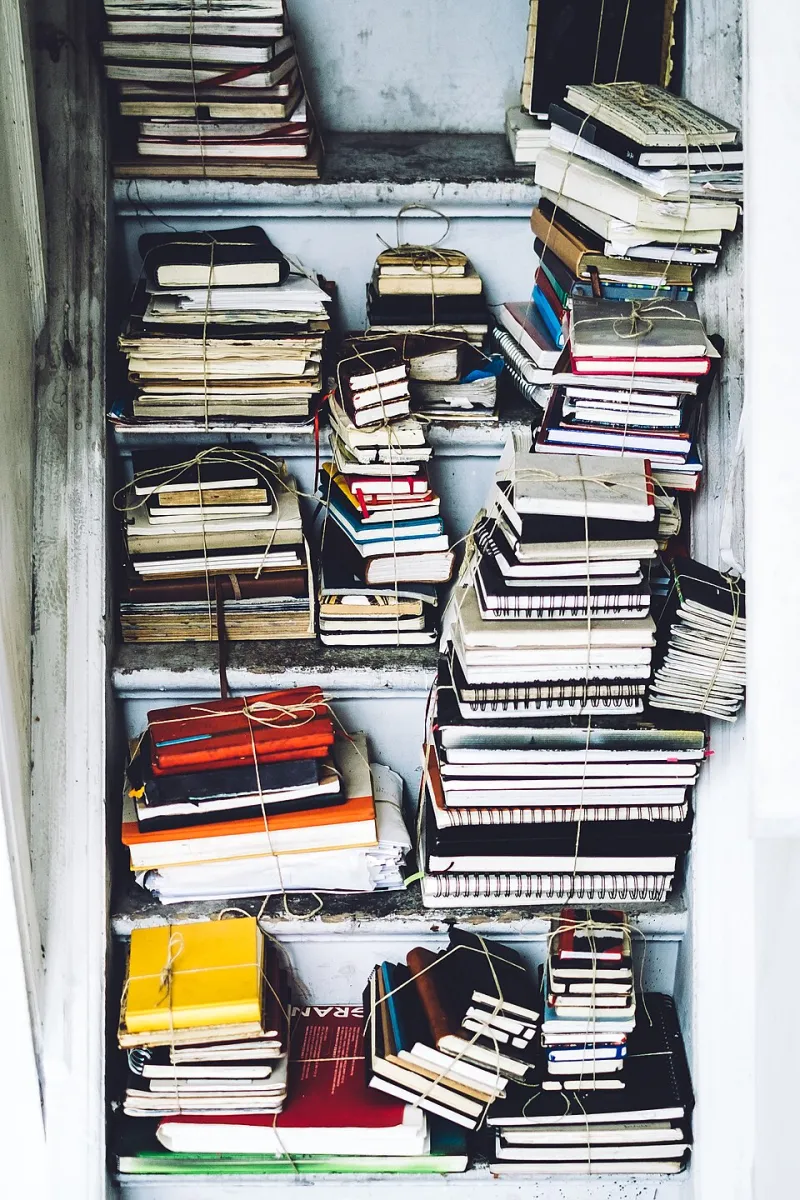
Let me open with a confession: at one point in my life, I owned seven blank notebooks simultaneously. Seven. All purchased within an eighteen-month window. All "too nice to write in."
Somewhere along the way, I absorbed the idea that becoming a real writer was a shopping problem. That if I just acquired the right equipment, the words would follow. This is a lie, and I paid for it — literally, item by item. So today, a listicle with a confession attached. Five things I stopped buying, and what I'd tell younger Hayley instead.
1. The Fancy Notebook
The Leuchtturm1917. The Moleskine. One limited-edition notebook with a cloth cover that cost more than a nice dinner. Total damage over the years: somewhere north of $200.
The problem was never the notebook. The problem was that a beautiful notebook raises the stakes of every page. You can't scribble garbage in a $25 notebook — or at least I couldn't. So they sat there, gorgeous and empty, while I wrote actual sentences in the Notes app and on Denny's receipts.
What worked instead: a $1.29 composition book from Walmart. Ugly, cheap, infinitely available. I've filled four of them. Something about a notebook that costs less than a coffee gives you full permission to be bad on every page. Bad pages are how good pages eventually happen.
2. The Craft Course
In 2020, deep in pandemic brain, I bought a $397 online writing course. Six modules. A workbook. A private community. I completed two modules and one-third of the workbook, which — having talked to other writers — puts me in the top percentile of course buyers.
Here's what nobody says out loud: most craft courses are just a book's worth of advice stretched across videos, sold to people who are scared to start. The advice is often good! But it's advice you could get from a library.
What worked instead: the public library, which is free and criminally underused. I started checking out books I loved with a pen in hand — not to mark them up, but to keep a reading journal of what worked and why. Reverse-engineering a paragraph by Anne Lamott taught me more than module one ever did.
3. The Productivity App Subscription
I want you to picture me, in my pajamas, at 11 p.m., signing up for a $9.99/month writing app that gamifies word counts. I used it for eleven days. I forgot to cancel it for twenty-two months. Do the math. I have, and it makes me want to lie down.
The dirty secret of productivity software for writers is that a word processor from 1997 does the same job. The app isn't the bottleneck. The sitting-down is the bottleneck.
What worked instead: a timer. That's it. I set a kitchen timer for 25 minutes, close every browser tab, and write until it dings. Cost: $0, assuming you own a kitchen. Some mornings I get 200 words. Some mornings I get 900. The timer doesn't care. The timer just holds the space.
4. The "Writer's" Desk Setup
For a while I believed my writing would improve once I had the right desk. Then the right chair. Then the monitor arm, the lamp, the little wooden pen tray. I was furnishing a shrine instead of a workspace.
What worked instead: writing in unglamorous places. My car in a Kroger parking lot. The laundromat. A booth at Panera where I bought one coffee and stayed two hours like the menace I am. The lesson: comfort is nice, but portability is freedom. When your office is wherever you are, you stop waiting for conditions to be perfect.
5. The Merch of the Identity
This one's tender, so be gentle. The tote bag that said "ASK ME ABOUT MY NOVEL." The enamel pin. The mug. I was buying merchandise for a career I hadn't started yet, like wearing the jersey of a team I hadn't tried out for.
What worked instead: telling one person, honestly, "I'm writing, and I'll send you what I make." No merch required. My friend Marcus became my one-person accountability department, and every time I sent him a draft — even a rough one — I got further than any purchase ever took me.
What I'd Tell My Younger Self
If I could go back and stand in that checkout line with younger Hayley, clutching her fourth premium notebook, I'd tell her this: the feeling you're shopping for isn't on the shelf. You become a real writer the moment you write something and let one other person read it. Everything else is set dressing.
Spend the money on coffee. Spend the money on the library card you already have. And for the love of everything, cancel the subscription.