The Project With No Link, No Launch Date, and No Interest in Being Found
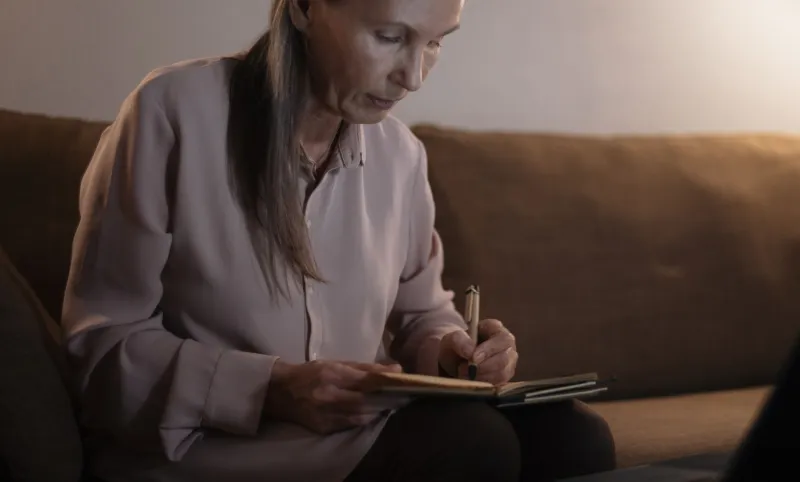
There is a project I have been working on for a while now, and I am not going to tell you what it is.
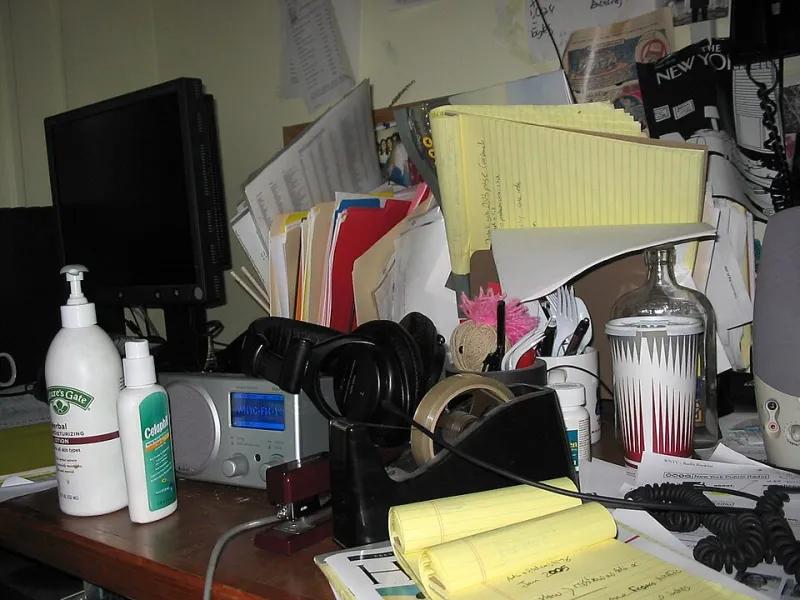
That is not me being coy. It is not a client project under embargo, and it is not a big reveal waiting for the right newsletter subject line. It is just mine. No link. No excerpt. No behind-the-scenes photos of the messy desk where I make it. If you ask me about it at a party, I will probably change the subject to sparkling water flavors.
I used to think that made me a bad creative person. Like I was violating some unwritten rule that says everything worth making has to be shareable, postable, and eventually monetizable. But the longer I keep this one project out of the public eye, the more I think the secrecy is not a flaw in my process. It is the process.
The Rule I Made Without Meaning To
This project started the way most of my projects start: with a bad idea and a free afternoon. I did not sit down and decide to keep it private. I just did not post about it. Then I did not post about it again. After a few weeks, not posting became a habit, and the habit became a boundary.
At first, the privacy was practical. The work was rough. It looked like something I had made with my non-dominant hand while waiting for pasta water to boil. I did not want anyone to see it in that state, mostly because I did not want to explain it. Explaining a rough thing while you are still figuring it out is like describing a dream to someone who was not there. You can see the whole weird world. They just see you blinking.
But then something shifted. I started looking forward to the part of my week when I got to work on it, precisely because no one was waiting for it. There was no launch date. No content calendar. No polite question from a friend asking how the thing was going, which is a lovely question that also makes me want to crawl under the rug.
What Secrecy Actually Protects
I used to believe that secrecy was about hiding from criticism. That is part of it, sure. But the bigger protection is from premature interpretation.
When I share a project too early, it stops being mine in a specific way. I start writing for the comments. I start imagining the person who will find it annoying. I start adding context I do not need and trimming the strange parts that might not land. The audience does not have to say a word. Their imagined presence is enough to make me edit toward the middle.
This private project does not have a middle. It has a lot of weird left turns and a structure that would probably make a brand strategist gently close their laptop. I get to make bad choices. I get to throw out a month of work because I changed my mind. I get to follow an idea that is interesting to exactly one person, and that person is me holding a mug in my kitchen at 10 p.m.
That is not hiding. Hiding is when fear is driving the car and I am in the back seat with my hood up. Privacy is when I choose the door and close it on purpose.
No Deadline, No Praise, No Proof
Here is the unglamorous truth about a project with no audience: it has no feedback loop. Nobody claps. Nobody shares. Nobody sends the email that says "this reminded me of something." There is no dashboard with a satisfying little line going up.
For a while, I thought that meant the project did not count. I am a person who likes receipts. I like a finished thing, a clear before-and-after, a little evidence that the hours added up to something. This project offers none of that. It only offers the work itself, which is a very quiet thing to offer.
But the quiet has been good for me. It has made me pay attention to whether I actually like what I am making, not whether it is performing well. It has made me return to the project because I want to, not because I promised a newsletter or a deadline or a version of myself who looks very productive in a linen apron.
Sometimes I work on it for two hours. Sometimes I ignore it for three weeks. It does not send me a passive-aggressive reminder. It just waits, which is either very healthy or deeply ominous. I am choosing to call it healthy.
The Difference Between Hiding and Privacy
I have hidden work before. I have deleted drafts before anyone could see them. I have abandoned projects because I could not stand the imagined judgment of an audience that did not even know the project existed. That kind of hiding feels like a locked room with no windows. You are not protecting anything. You are just trapped with your own opinions.
This is different. I can acknowledge that the project exists without turning it into content. I can tell a friend, "I am working on something private," and leave it there. I can have a boundary without making the boundary a personality trait. That has been a surprisingly useful skill for the rest of my creative life, too.
I still share plenty. This website is a sharing machine. My newsletter goes out. I pitch things. I post the finished pieces and the lessons and the occasional unflattering spreadsheet. But I no longer believe that every good thing I make has to be fed into the public record. Some work is a practice, not a product.
What It Has Taught Me About the Rest of My Work
The biggest change is that I protect first drafts longer now. I let them be ugly and unhelpful and not ready for a caption. I do not send every idea to the group chat for a vibe check. Sometimes I let a thing sit until it has its own pulse.
That has made my public work better, I think. Not because the private project is secretly a masterpiece that will one day justify all of this. It might never be anything more than a thing I made in the margins. But it has changed how I think about attention. Attention is not the same as value. A project does not need a witness to be real.
So if you have a thing you are making that has no link, no pitch, and no plans to be found, you are not doing it wrong. You are just not doing it for us. And honestly, that might be exactly what it needs.