What My Website Doesn't Show You: The Group Chats, Rejections, and Free Pitches Behind Everything
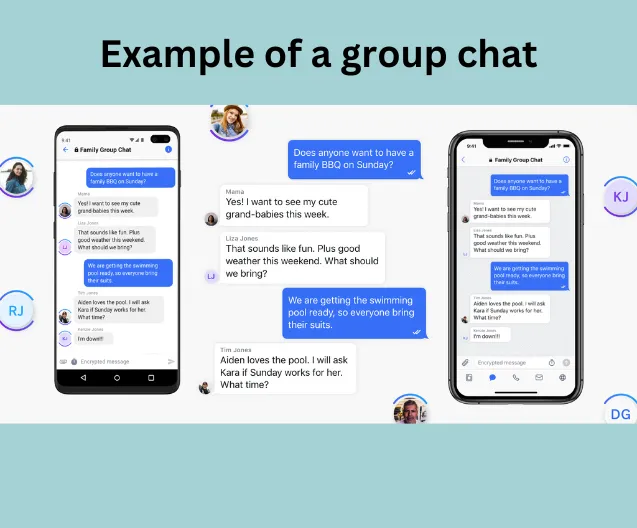
Photo: smartphone group chat text messages on couch creative studio, via wp-cdn.emitrr.com
If you landed on my homepage, you'd think my career is a tidy little staircase: projects, published pieces, a nice grid of work I'm proud of. And honestly? I've spent real money making it look that way. But last month a younger writer emailed me asking how I "broke in," and when I sat down to answer her, I realized the answer doesn't exist anywhere on this website. So here it is.
The Résumé That Doesn't Exist
Let's do a quick inventory of things I've done in the last few years that appear nowhere on hayleybrownell.com:
- Eleven grant applications. Eight rejections, two "maybe next cycles," one win.
- Roughly two dozen pitches sent to publications I wasn't sure even read their inboxes. Most got silence. Three got commission checks.
- A fellowship I prepped for over six weeks, including rewriting my personal statement four times. I didn't get it. I'm not naming it, but I remember exactly which sentence I was proudest of.
- Countless favors for friends-of-friends: a quick logo sketch, feedback on someone's pilot script, an hour of "can I pick your brain" that turned into three.
None of this is on my site because none of it is a "deliverable." But here's the thing — those rejections taught me how to write a better application, those silent pitches taught me which editors actually commission, and those free favors are why half the opportunities I've gotten arrived through someone saying "you should talk to Hayley."
The Group Chat Is the Actual Industry
I have three group texts that matter more to my career than my LinkedIn. One is with two college friends who now work in publishing. One is a loose collection of makers from a residency I attended years ago. The third is a chaotic thread titled something I can't print here, where we forward each other calls for submissions, complain about lowball rates, and hype each other up before interviews.
That last one is where the real economy runs. When a friend-of-a-friend needed a writer for a branded content gig, I heard about it in that thread four days before it would've shown up on any job board. When I got a rejection that stung, the thread talked me off the ledge with the specific, unglamorous comfort only fellow creatives can offer: "their loss," followed immediately by "ok but also your second paragraph was doing too much."
We talk about networking like it's conferences and business cards. For most working creatives I know, it's a text thread at 11 p.m. sharing a Google Doc of open calls.
The Unpaid Stuff That Wasn't Really Unpaid
I want to be careful here, because I'm not going to tell you to work for free — I've written enough about exploitative "exposure" to fill a whole category. But I do want to complicate the math a little.
Some of my unpaid work has paid me back in ways a check couldn't. A small zine piece I wrote for nothing led to an editor finding me. A friend's short film I helped script for pizza and gratitude got into a festival, and suddenly I had a credit I could point to. The difference between exploitation and investment, I've decided, is whether you'd have done it even if nothing came back — and whether the person asking respects your time.
The rejections, though? Those are pure tuition. Every application I've written and lost made the next one faster, sharper, less terrifying. At this point I can draft a project statement in an afternoon because I've written, conservatively, thirty of them.
Why I'm Not Putting This on My Homepage
I've considered adding a "rejections" section to this site. Some creatives do it and it's charming and brave. I always chicken out, and I think I finally know why: the portfolio version of me is a product, and the invisible résumé is a process, and mixing them makes both feel less true.
But I can tell you about it here, in a blog post that no client will use to decide whether to hire me (hi, if you're a client reading this — the group chat makes me good at my job, actually).
If you're early in this and your portfolio feels thin, look at everything that isn't on it. The applications, the favors, the threads, the near-misses. That's not the stuff before your career. That is your career. It's just the part that doesn't photograph well.